Can a Roofer Pay My Deductible in Texas?
May 29
Before hiring a roofing contractor near you, ask these 9 questions about insurance, materials, warranties, permits, cleanup, and storm claim experience.
Searching “roofing contractors near me” is easy. Choosing the right contractor is where homeowners can get stuck.
Roofing is a high-trust project. A bad contractor can leave you with leaks, denied warranty coverage, insurance problems, or a mess that costs more to fix than the original job.
Before you sign a roof repair or replacement contract, ask these nine questions. The answers will tell you a lot about how the job will go.
After hailstorms, many contractors enter the DFW market temporarily. They may rent a local phone number, knock doors for a few months, and then leave.
Ask:
A local contractor has a reason to protect their reputation. They also understand North Texas weather, insurance patterns, and local permitting.
Roofing is dangerous work. If a contractor is not properly insured, a homeowner can be exposed to risk.
Ask for proof of insurance before work begins. A reputable roofing contractor should be able to provide documentation without hesitation.
This protects you if:
Do not rely on verbal promises.
A roof estimate should be more than a final price.
It should show:
If two contractors give very different prices, compare scope before assuming one is simply cheaper.
Flashing protects the most leak-prone parts of the roof: chimneys, walls, valleys, skylights, and transitions.
Reusing old flashing can save time, but it can also create leaks if it is bent, rusted, poorly integrated, or no longer compatible with the new roof system.
Ask the contractor where flashing will be replaced, where it may be reused, and why.
North Texas roofs deal with heat, hail, UV exposure, and high winds. Material choice matters.
Ask about:
The best material is not always the most expensive. It is the material that fits your budget, insurance situation, neighborhood, and long-term plan for the home.
Decking damage is sometimes hidden until the old shingles come off. A good contractor explains this before work begins.
Ask:
This avoids surprise invoices and makes sure the new roof is installed over a solid surface.
If your roof has storm damage, insurance documentation becomes critical.
A contractor experienced with insurance claims can:
Your roofer should not promise claim approval. The insurance carrier decides coverage. But your roofer can help make sure the damage is documented properly.
Roof warranties usually have two parts:
| Warranty Type | Covers |
|---|---|
| Manufacturer warranty | Defects in the roofing materials |
| Labor/workmanship warranty | Installation-related issues |
Ask how long each warranty lasts, what voids it, and whether it transfers if you sell the home.
Also ask who you call if there is a leak. A warranty is only useful if the contractor responds.
Roof replacement is messy. Thousands of nails, shingle pieces, wrappers, and old flashing come off the roof.
Ask:
Good cleanup is not a bonus. It is part of professional roofing.
You do not need to become a roofing expert to hire a good contractor. You need a contractor who can answer reasonable questions clearly.
If the answers feel rushed, vague, or pressured, slow down. A quality roofing contractor will welcome informed homeowners.
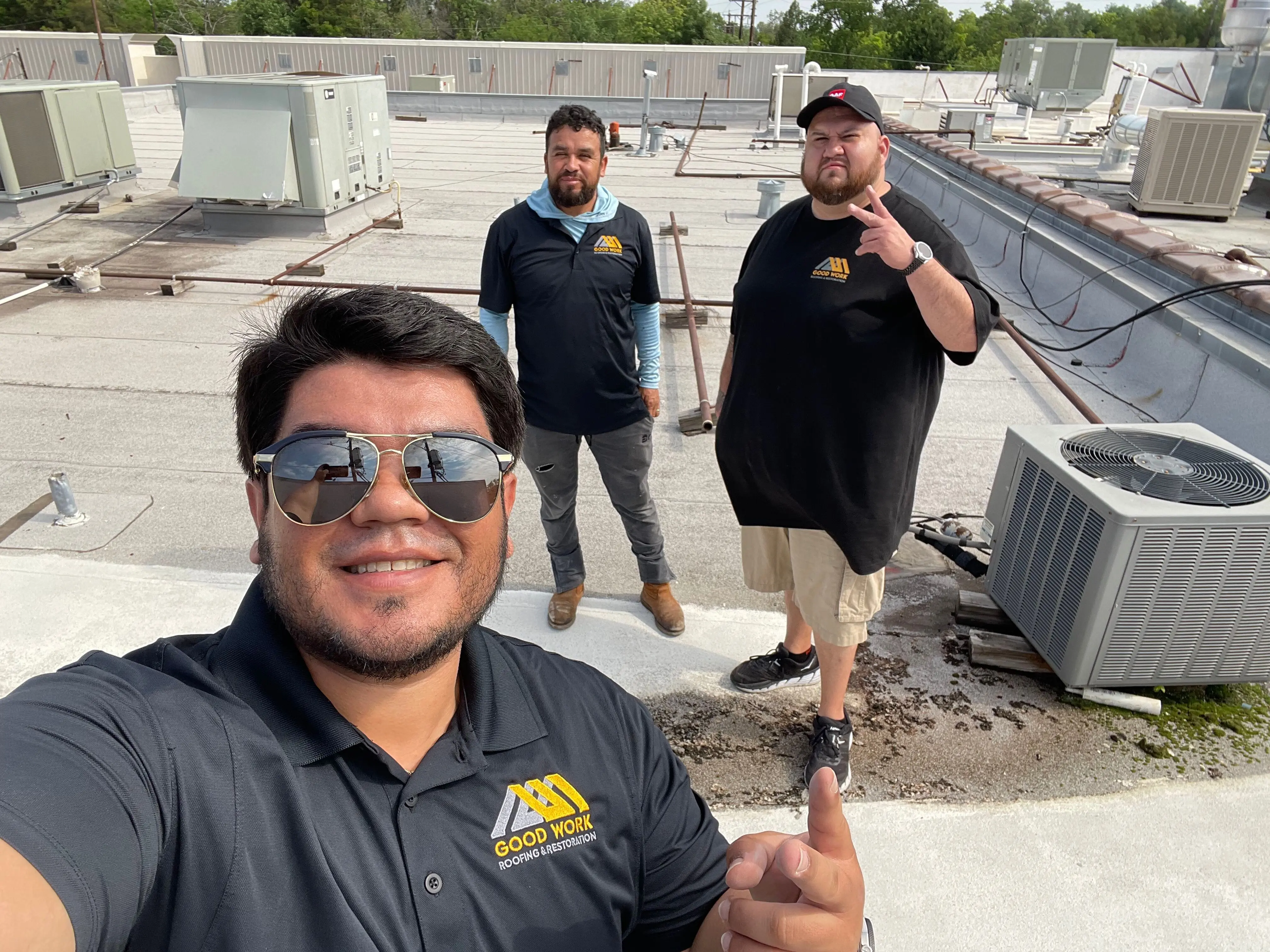
Comparing roofing contractors near you? Good Work Roofing provides clear inspections, written estimates, storm damage documentation, and local service across McKinney and DFW.
Request a free estimate or call (214) 836-4511.
Get roofing tips delivered to your inbox
Contact our roofing experts for a free consultation and quote.