North Texas Roof Maintenance Calendar
May 29
Learn why roof ventilation matters in Texas, how attic heat affects shingles, and what DFW homeowners should check before replacing a roof.
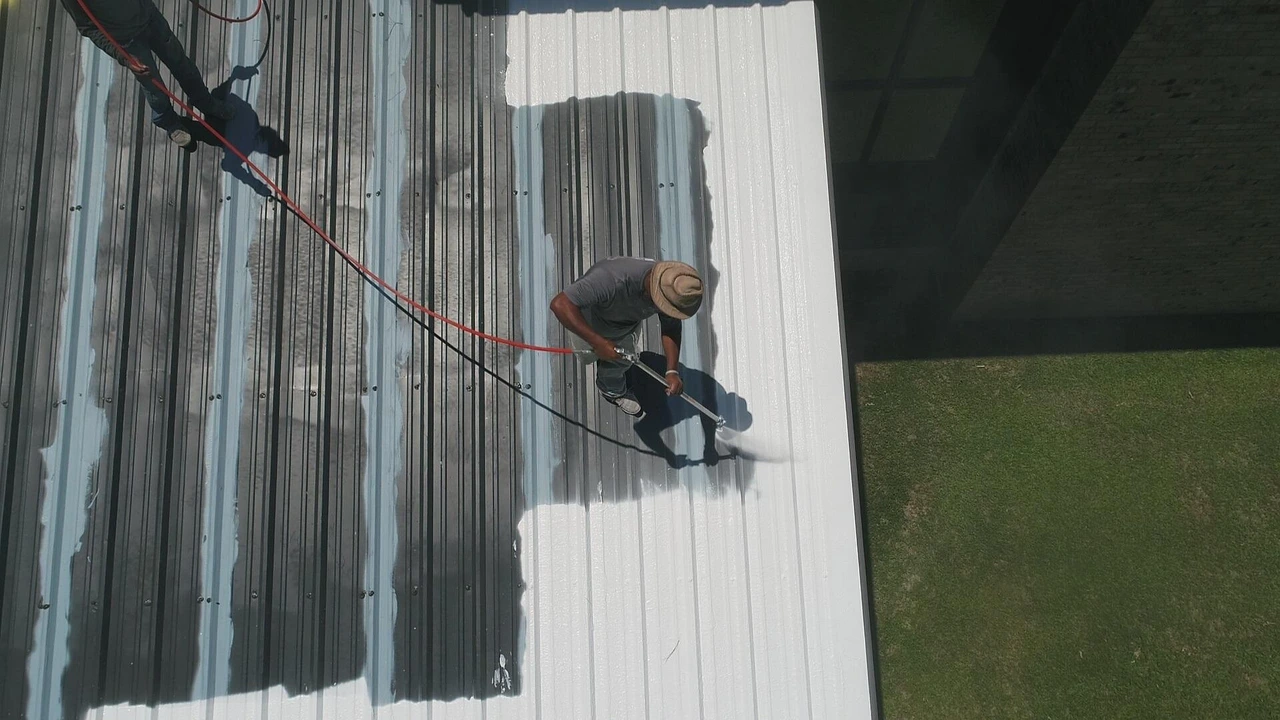
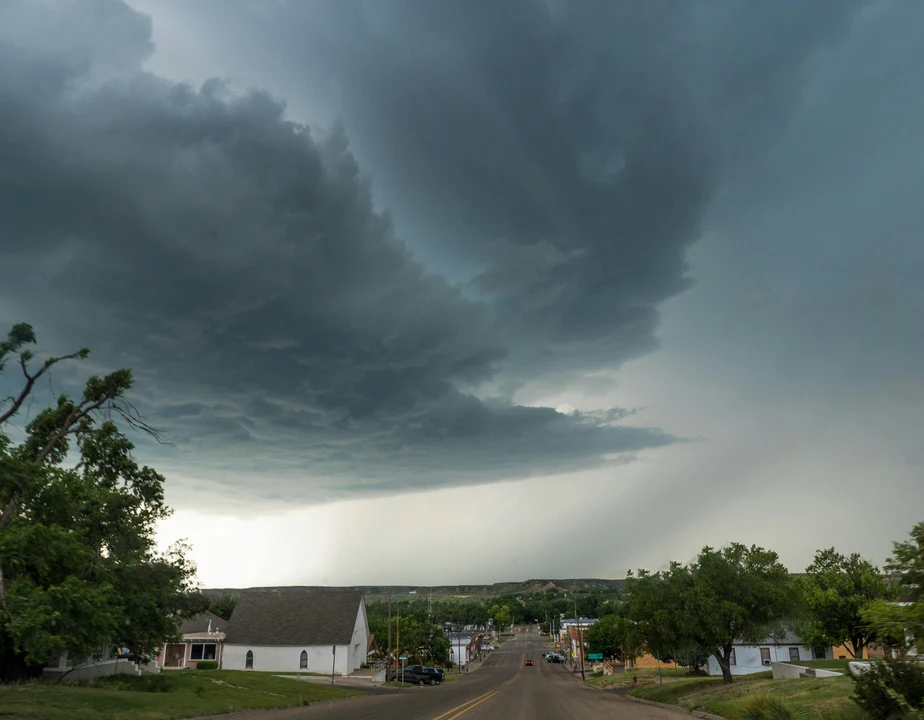
Texas roofs do not just battle storms. They also sit under extreme heat for months. Without proper ventilation, attic temperatures can climb, moisture can linger, and shingles can age faster than expected.
If you are replacing a roof or troubleshooting attic heat, roof ventilation in Texas deserves real attention.
A balanced ventilation system helps air enter low and exit high.
That usually means:
The goal is not to “cool” the attic like an air-conditioned room. The goal is to reduce trapped heat and moisture so the roof system performs better.
Warning signs include:
Some ventilation problems are created during previous repairs when vents are mixed incorrectly or intake is forgotten.
More vents are not always better. Intake and exhaust need to work together.
| Ventilation Issue | Result |
|---|---|
| Exhaust with poor intake | Vents may pull air from the house instead of soffits |
| Mixed exhaust types | Ridge vents and box vents can short-cycle airflow |
| Blocked soffits | Hot air gets trapped even with roof vents |
| Bath fans into attic | Moisture collects under the roof deck |
| Too little exhaust | Heat and moisture escape slowly |
A roofer should evaluate the whole system before adding vents at random.
Roof replacement is the best time to fix ventilation because the roof deck and vent layout are already part of the project.
Ask your contractor:
The answer should be specific to your attic, not a generic add-on.
Ventilation is only one part of home comfort. Insulation, air sealing, duct condition, window exposure, and AC performance also matter.
Still, a hot attic can make the home harder to cool. Better ventilation may help reduce heat buildup and protect the roofing system, especially when paired with proper insulation and reflective roofing materials.
Good Work Roofing reviews roof ventilation during inspections and replacement estimates. We look at intake, exhaust, roof condition, and attic concerns so the new roof has a better chance to perform in North Texas heat.
Concerned about attic heat or roof ventilation in Texas? Good Work Roofing can inspect your roof and explain whether ventilation changes should be part of repair or replacement.
Schedule a roof ventilation inspection or call (214) 836-4511.
Get roofing tips delivered to your inbox
Contact our roofing experts for a free consultation and quote.