Flat Roof Repair in DFW: Commercial Leak Problems Property Owners Should Not Ignore
May 29
Searching roof leak repair near me? Learn how DFW roofers trace leaks, what repairs usually involve, and when a leak points to a bigger roof problem.
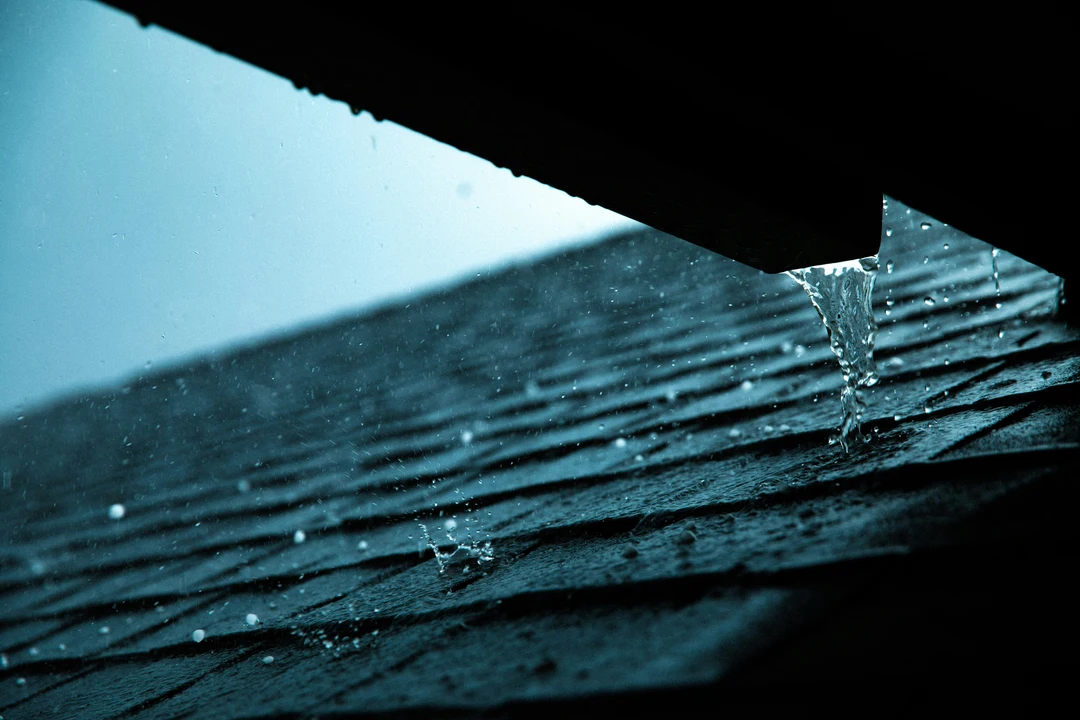
When homeowners search “roof leak repair near me,” they usually know where the water is showing up. They do not always know where the water is entering.
That is the tricky part.
Roof leaks can travel along rafters, decking, insulation, and drywall before dripping into a room. The stain on your ceiling may be several feet away from the actual roof problem.
Here is how professional roofers track leaks and how to know whether you need a small repair or a larger roofing solution.
Water follows gravity, framing, and the path of least resistance.
A leak may start at:
Then the water may travel before it becomes visible indoors. That is why a leak repair should include an attic check when possible.
A good leak inspection usually includes:
Guessing from the ground is not enough.
| Leak Source | What Usually Happens |
|---|---|
| Pipe boot failure | Rubber cracks around a plumbing vent and lets water in |
| Chimney flashing failure | Old or poorly layered flashing opens at roof-to-wall intersections |
| Valley issue | Debris, worn shingles, or underlayment failure lets water enter |
| Wind-lifted shingles | Seal strips break and wind-driven rain gets underneath |
| Hail damage | Bruised shingles lose granules and fail over time |
| Nail pop | A nail backs out and creates a small water path |
| Ridge vent problem | Wind-driven rain enters through damaged or poorly installed ridge vent |
Some of these are simple repairs. Others indicate broader roof system failure.
Depending on the cause, repairs may involve:
The repair should remove damaged material, correct the entry point, and integrate properly with the existing roof.
Roof cement and sealant have a place in temporary work, but they should not be the whole plan for most leaks.
Sealant breaks down in Texas heat. It can crack, shrink, and separate. It may stop water briefly while hiding the real issue.
A lasting leak repair usually requires replacing the failed component, not coating it.
A single leak does not automatically mean you need a new roof.
But replacement may be the smarter recommendation when:
In those cases, patching one leak may only delay the next one.
Insurance depends on the cause.
If the leak came from sudden storm damage, wind, hail, or a fallen limb, insurance may apply. If it came from age, maintenance, or long-term wear, it may not.
Before filing a claim, get the roof inspected and documented. Filing without knowing the cause can waste time and create confusion.
If water is actively entering:
Small leaks can become expensive when they soak insulation, decking, and drywall.
We inspect the interior, attic when accessible, and roof surface to identify the likely source. Then we provide photos and a recommendation.
If it is a repair, we explain the repair. If the leak is part of a bigger roof issue, we explain that too.
Need roof leak repair near you? Good Work Roofing serves McKinney, Plano, Frisco, Allen, and DFW with roof leak inspections, repairs, and storm damage documentation.
Schedule your leak inspection or call (214) 836-4511.
Get roofing tips delivered to your inbox
Contact our roofing experts for a free consultation and quote.