Flat Roof Repair in DFW: Commercial Leak Problems Property Owners Should Not Ignore
May 29
Need emergency roof repair near me after wind, hail, or a sudden leak? Follow this DFW storm response plan to limit damage and document the issue.
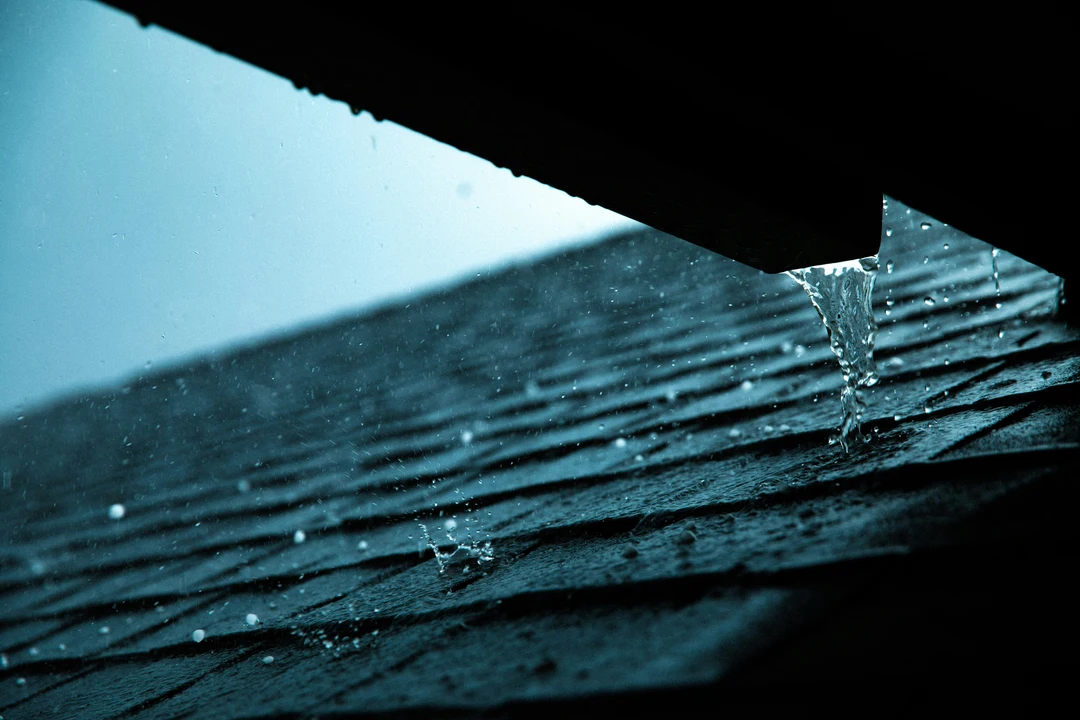
When you search “emergency roof repair near me,” the situation is usually moving fast. Water is coming in. Shingles are missing. A storm just passed. Or the ceiling has a stain that was not there yesterday.
The first goal is not to solve the whole roof problem in the next five minutes. The first goal is to stop additional damage, stay safe, and document what happened.
Here is the emergency roof repair plan every DFW homeowner should know.
Do not climb on a wet, windy, or storm-damaged roof.
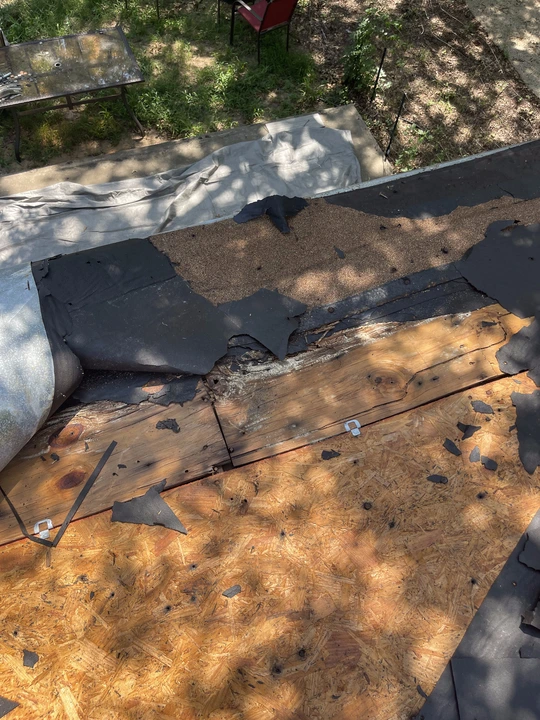
After a North Texas storm, shingles may be slick, decking may be compromised, and loose materials can shift under your feet. Even a low-slope roof can be dangerous when wet.
Instead, inspect from the ground if it is safe:
Leave the rooftop inspection to a trained roofer with proper equipment.
If water is entering the home, protect the interior first.
Do this immediately:
If water is near electrical wiring, call an electrician or emergency service provider. Safety comes before the roof.
Documentation matters for insurance and repair planning.
Capture:
Do not wait until everything dries. Fresh damage is easier to document.
An emergency roofer can inspect the damage and perform temporary mitigation.
Common emergency services include:
A temporary repair is not the same as a permanent repair. Its job is to keep more water out until the roof can be fully evaluated and repaired.
Not every roof emergency is an insurance claim, but many DFW storm emergencies are.
Possible claim-related causes include:
Maintenance-related causes may include:
The difference matters. A good roofer can help identify the likely cause and document what they find.
Emergency mitigation is smart. Permanent repairs before documentation can create problems.
If you replace materials before photos, inspection, or adjuster review, it may be harder to prove the cause and scope of damage.
The best order is:
A roof tarp is a temporary waterproof barrier installed over the damaged area.
It can help when:
The tarp must be secured correctly. A loose tarp can flap, tear, or cause more damage.
When calling for emergency roof repair, ask:
Clear answers matter when the situation is stressful.
Some emergencies need a focused repair. Others reveal a roof that has reached the end of its life.
A single cracked pipe boot may be a simple repair. A storm that lifted shingles across multiple slopes may require replacement. The inspection should determine the next step.
Do not let urgency push you into a full contract before the damage is understood.
Need emergency roof repair near you in McKinney or DFW? Good Work Roofing can inspect storm damage, provide temporary protection, and help you plan the right permanent fix.
Request emergency roof help or call (214) 836-4511.
Get roofing tips delivered to your inbox
Contact our roofing experts for a free consultation and quote.