
Do You Need a Permit for Roof Replacement in McKinney, TX?
May 29
Learn what energy-efficient roofing means in Texas, including cool roofs, reflective shingles, roof color, ventilation, insulation, and DFW replacement planning.
Updated: May 29, 2026
Energy-efficient roofing in Texas usually means choosing a roof system that reflects more solar heat, supports balanced attic ventilation, works with adequate insulation, and matches the home’s climate and roof slope. Cool roof products can help most in hot, sunny climates, but the full roof assembly matters.
Homeowners often ask whether a new roof can lower energy bills. The honest answer is: sometimes, but it depends on the roof material, color, attic ventilation, insulation, shade, home design, and HVAC efficiency.
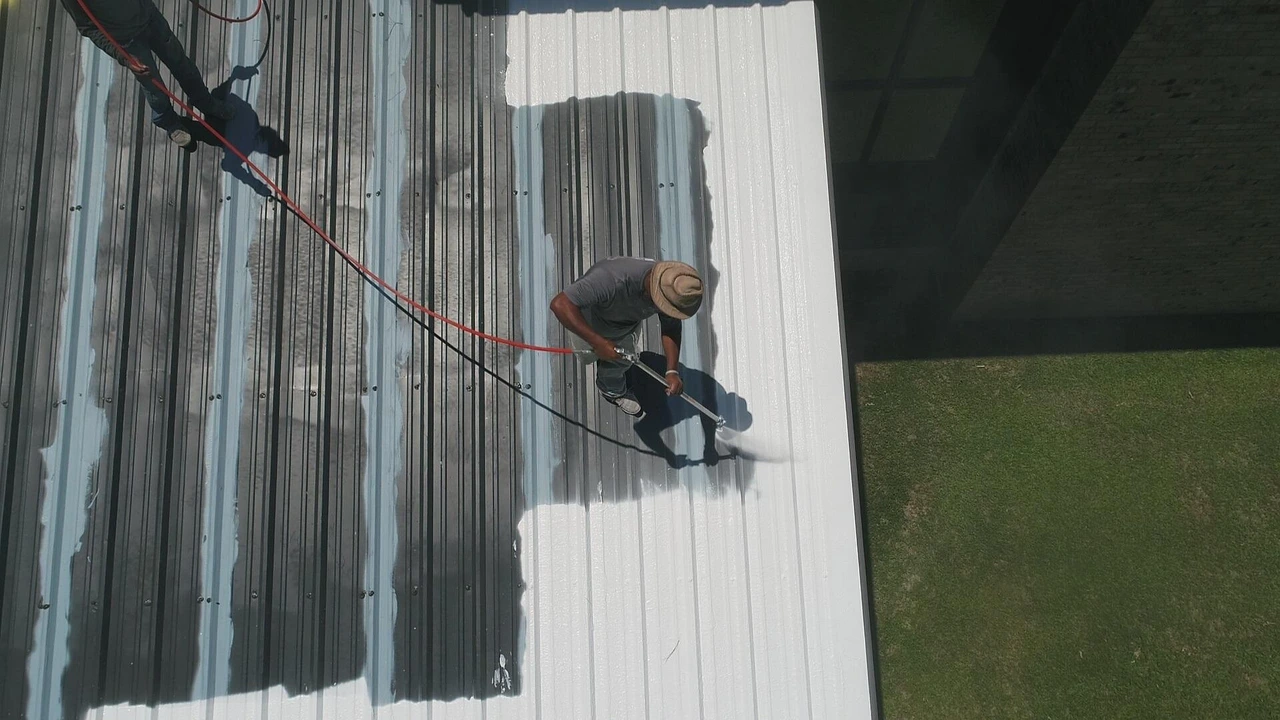
The U.S. Department of Energy explains that cool roofs are designed to reflect more sunlight and absorb less heat than standard roofs. Cool roofing can be a material choice during replacement, a product selected during new construction, or in some cases a coating for a suitable existing roof.
For Texas homeowners, the appeal is obvious: less heat absorbed by the roof can mean a cooler roof surface and less heat moving into the building.
| Factor | Why It Matters |
|---|---|
| Roof color | Lighter or more reflective colors generally absorb less solar heat |
| Solar reflectance | Measures how much sunlight a roof reflects |
| Thermal emittance | Measures how well a roof releases absorbed heat |
| Attic ventilation | Helps move trapped heat and moisture out of the attic |
| Insulation | Reduces heat transfer into living spaces |
| Roof slope | Product options and performance vary between steep and low-slope roofs |
| Material type | Shingles, metal, tile, and membranes each behave differently |
No single feature does everything. A reflective shingle over a poorly ventilated attic may underperform expectations.
White and very light roofs are common examples, especially on commercial low-slope buildings. But residential products also include cool-color shingles and metal roofing finishes designed to reflect more infrared solar energy than traditional dark materials.
For DFW homeowners with HOA rules, this matters because you may be able to choose an energy-conscious color without putting a bright white roof on a traditional neighborhood home.
Roof ventilation helps the attic breathe. In a balanced system, intake air enters low through soffits or eaves, and exhaust exits high through ridge vents or other roof vents.
During roof replacement, ask:
Energy efficiency and roof durability are connected.
Consider energy-efficient roofing when:
The Department of Energy notes that climate is important when evaluating cool roofs. Hot climates generally see the greatest cooling benefit.
Ask:
A good answer should include both energy performance and storm performance.
Good Work Roofing helps homeowners in McKinney and DFW compare asphalt shingles, Class 4 shingles, metal roofing, cool roofing options, ventilation, and roof replacement timing. We explain the tradeoffs so the roof fits Texas heat, storms, budget, and curb appeal.
They can be. The Department of Energy says cool roofs achieve the greatest cooling savings in hot climates, but the benefit depends on the home, roof assembly, insulation, and product.
Yes, roof color can affect heat absorption. Reflective materials and lighter colors can reduce roof surface heat, but ventilation and insulation also matter.
Metal roofing can be energy efficient when paired with reflective finishes and proper ventilation. It also offers strong durability, but it costs more upfront than most asphalt shingle roofs.
Want to compare energy-efficient roofing options for a Texas home? Good Work Roofing can inspect your roof, ventilation, and replacement options.
Get roofing tips delivered to your inbox
Contact our roofing experts for a free consultation and quote.